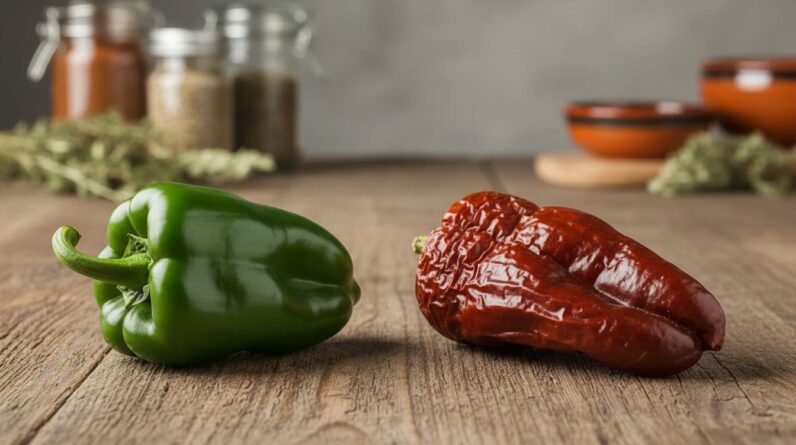
Peppers are drama queens in the best way.
Fresh, they have one name. Dried, they get another.
A poblano dries out and becomes an ancho.
A jalapeño sits in smoke and turns into a chipotle.
Same plant, new name, new vibe. That tiny food fact is a sharp, creative visual storytelling shortcut. It shows how the same thing can carry a whole new story once time, texture, and context change, boosting SEO and enhancing content performance and reach.
In this post, I will walk you through how that works and how you can steal the pepper trick for your own writing, content marketing, digital storytelling, or digital marketing efforts, or classroom.
What Does It Mean When Peppers Change Their Name After Drying?
Here is the simple version.
Some peppers get one name when they are fresh, and a different name when they are dried. Cooks use the fresh version for crunch and bright heat that appeals to a target audience seeking that lively bite, and the dried version for deeper flavor in sauces and stews.
So you are not buying a new plant. You are buying the same pepper, at a different stage of its life.
Simple food examples: poblano to ancho, jalapeño to chipotle
Picture a fresh poblano. It is dark green, smooth, and a little shiny. You might slice it into strips for fajitas or roast it for chile rellenos. It feels alive and crisp.
Now picture an ancho. Same pepper, but dried. It is wrinkled, soft, and a deep reddish brown. Drop it into a pot and it gives the sauce a slow, smoky sweetness instead of a sharp kick.
The jalapeño and chipotle pair work the same way. Fresh jalapeño: small, green, glossy, bright heat, great on nachos. Chipotle: that same jalapeño, dried and smoked, now dark, chewy, and rich, used in marinades and salsas where you want depth, not crunch.
Same pepper, new name, new role in the story
The name change is a tiny signal through visual communication. It tells you the pepper has a new job. Fresh, it is the loud friend who shows up with energy. Dried, it is the wise elder who brings background flavor and calm heat.
That is what a good character arc looks like too. Same person, but time, pressure, and choices change their role in the story through a shifting structure. The change defines the next sequence in the storyboard.
Why This Pepper Fact Is A Brilliant Example Of Visual Storytelling
Visual storytelling is about using what people see to carry meaning before you explain anything.
Images of fresh and dried peppers tell a before-and-after story
Put a fresh poblano and a dried ancho side by side. These images already evoke visual storytelling through the passage of time. One is smooth, full of water, and bright. The other is wrinkled, darker, and lighter in weight.
Without a single word, your brain fills in the narrative sequence of the missing steps. Heat, air, and days or weeks of drying. You see a quiet visual narrative, a silent before-and-after story, like a mini time-lapse shot, baked right into the image.
How names, colors, and textures guide the viewer’s imagination
The look of the dried pepper whispers a story.
Darker color hints at smoke and slow cooking.
Wrinkled skin hints at age and experience.
Visual elements like these create emotional engagement through their design. Even the word “chipotle” feels heavier than “jalapeño”. Your brain links that sound with grill smoke, backyard cookouts, and strong flavor. Kids pick this up fast. They see shiny and bright as “fresh start”, and dark and wrinkled as “long journey”.
How You Can Use The Pepper Trick In Your Own Stories And Content
You can copy this move in your writing, teaching, or content on the web, and you do not need peppers on hand.
Show change with objects, not just with words
When you want to explain change, pick an object that changes over time.
Coffee beans to brewed coffee.
Green banana to spotted banana.
Infographic sketch to vibrant infographic.
Blank notebook to dog-eared, scribbled notebook.
Show both versions at once. Let people see the shift instead of only reading about it.
Use everyday visuals to make abstract ideas easy to remember
People remember images much better than fuzzy ideas. Growth, transformation, rebranding, data, all of those can feel vague.
The pepper example is quick, sticky, and friendly. You can say, “This brand identity update is our jalapeño to chipotle moment,” and your audience will get it, especially when simplifying data visualization. One object, two looks, two stories, same core.
A Summary
Peppers that change their names when dried prove that one object can hold two stories at once. Fresh, they tell a short, bright story. Dried, they tell a slow, deep one. That is the heart of visual storytelling. This pepper trick boosts time-on-page and delivers stronger results for your visual content.
Take a look at your own kitchen, desk, or backpack. What could be your poblano-to-ancho example for interactive visual stories on storytelling platforms, like the next lesson, slide deck, blog post with calls to action, or even video for the web? Start there, and let your peppers do some of the talking in your visual storytelling.