Have you ever felt frustrated switching between a brand’s website, app, and store, feeling like you’re talking to three different companies?
The importance of omnichannel marketing comes into play here more than ever, as most customers now expect brands to greet them by name, know their history, and keep things as smooth as possible across every interaction.
Marketers looking to keep up need smarter, more connected strategies that go beyond being “everywhere” and start focusing on being everywhere that counts.
With the right approach, you can boost loyalty, drive more sales, and finally deliver that unbeatable brand consistency.
Stick around for real examples, honest confessions, and practical steps you can use to make sense of omnichannel marketing.
What Is Omnichannel Marketing and Why Should You Care?
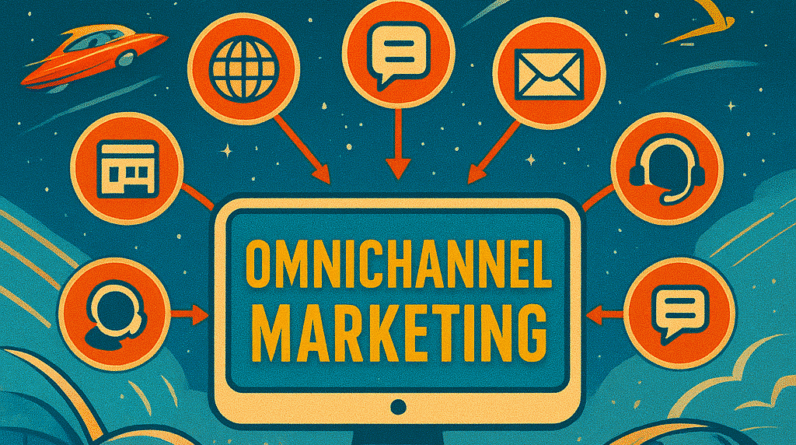
Omnichannel marketing pulls everything together—your website, store, email, social, support and even SMS—so it feels like one ongoing conversation. Think about the opposite: traditional “multichannel” marketing. That’s where every channel works alone, with its own message and offers, and you end up with fragmented customer experiences. With omnichannel, all those touchpoints work together, giving each customer a unified, personal journey.
Let’s use a quick story. Imagine you browse running shoes on your phone, get a reminder email about them, then visit the store where the staff already know what you liked online. They update your loyalty points the second you buy. Each step feels like you’re being helped by a helpful friend who remembers your preferences—not like you’re starting over.
Ask yourself: does your brand offer this kind of experience? Or do customers have to repeat themselves, getting lost between web, app, and store? Real-time data is the secret that connects every step, enabling marketers to anticipate needs and personalize the experience. You can get a more technical breakdown in The Definitive Guide to Omnichannel Marketing, but the takeaway is simple: treat every channel like part of the same team.
Real Benefits: How Omnichannel Marketing Drives Growth
Big businesses invest millions in omnichannel strategies because it pays off. Why? Omnichannel marketing lifts every important measure: sales, loyalty, and customer lifetime value. In fact, according to recent stats, up to 75% of purchase journeys jump across more than one channel. Retailers that link these channels are set to win. But here’s the kicker: while 74% of retailers claim to offer an omnichannel experience, only about a third do it well.
Here are some key benefits:
- Higher Customer Lifetime Value: Customers who use multiple channels spend up to 30% more.
- Better Conversions: Shoppers who engage with brands on multiple platforms are more likely to buy, and come back for more.
- Brand Consistency: If you care about your brand’s reputation, consistency matters. I once worked with a client whose “in-store” loyalty points never matched their digital rewards. Customers noticed right away. After we unified the two, customer complaints dropped, and positive feedback shot up.
Trends show that AI and smarter data tools make it easier than ever to hit these marks, but you need to align the whole team and technology stack. That means you can’t just patch things together and hope for the best.
Boosting Customer Loyalty and Retention
Want to keep your best customers from drifting away? Omnichannel marketing is your best bet. When all your touchpoints feel connected, people trust you more. They don’t have to repeat themselves or remember passwords for every channel.
Ask yourself: do your loyalty programs and customer support know what’s happening online and offline? Odds are, customers will notice if they don’t. Brands that link up their systems see stronger retention rates and more positive reviews. Connected experiences build trust—and trust builds long-term profits.
Personalization With Data Done Right
Using the right data, you can speak directly to your customers. Tools such as AI-driven recommendations and unified data platforms help brands personalize each conversation, offer, and follow-up message.
Let’s break it down simply. When a customer adds an item to their cart online but leaves before buying, smart systems can send a helpful reminder—sometimes with a discount. If they’ve shopped in-store before, you could recommend products that match their taste, based on both their digital and offline behaviors.
The real magic is making each person feel seen—not stalked. That means only using data for things that help them, and giving privacy first priority. Want a deeper look at these tactics? There’s a good round-up at Omnichannel Marketing: A Complete Guide.
Bringing Digital and In-Store Experiences Together
Today, online and offline rarely live in separate worlds. Smart brands find ways to bridge these spaces, using tech like AR try-ons, location-based offers, and contactless in-store payments. You’ve probably seen “buy online, pick up in-store” (BOPIS) offers popping up everywhere. This isn’t just a pandemic hold-over—customers like the flexibility.
If you’re a marketer, you have to think: can your customers start a purchase on one device, then finish it in your store? New ways of shopping—like scanning QR codes in the aisle for exclusive content—keep things interesting. By the time you’re reading this, real-time inventory and smart supply chains are the backbone of this movement, making it possible for brands to promise “see it online, grab it now.”
Getting Started: Tips and Common Pitfalls on the Omnichannel Path
Thinking about going omnichannel? Here’s how to start strong (and what to avoid):
Do’s
- Invest in a unified platform for data and communication.
- Map your customer journey—from discovery to sale to support.
- Train your team so everyone’s on the same page.
- Use feedback systems after every channel interaction (people will tell you what’s broken).
Don’ts
- Don’t let tech teams silo information. Marketing, sales, and support should share everything.
- Don’t buy every flashy new tool. Focus on the customer, not the gadget.
- Don’t ignore privacy laws—make sure your personalization efforts respect customer choices.
Always test the full journey yourself, across every channel.
If you want tactical advice and frameworks, Google’s official omnichannel marketing strategies are a smart place to keep learning.
Make Each Interaction Count
Omnichannel marketing is about making every moment with your brand count, no matter where it happens.
If you want to stand out, start by checking your own customer experiences—walk through your buying journey as if you’re a new customer and ask, “Does this all feel connected?”
If you’ve hit a snag or discovered a trick that works, share it with others.
The brands that keep people coming back always put customers first—and that’s how you’ll stay ahead.